Getting water to the field
The motor and pump are part of a larger system: source, lift, pipework and the field that receives the water.
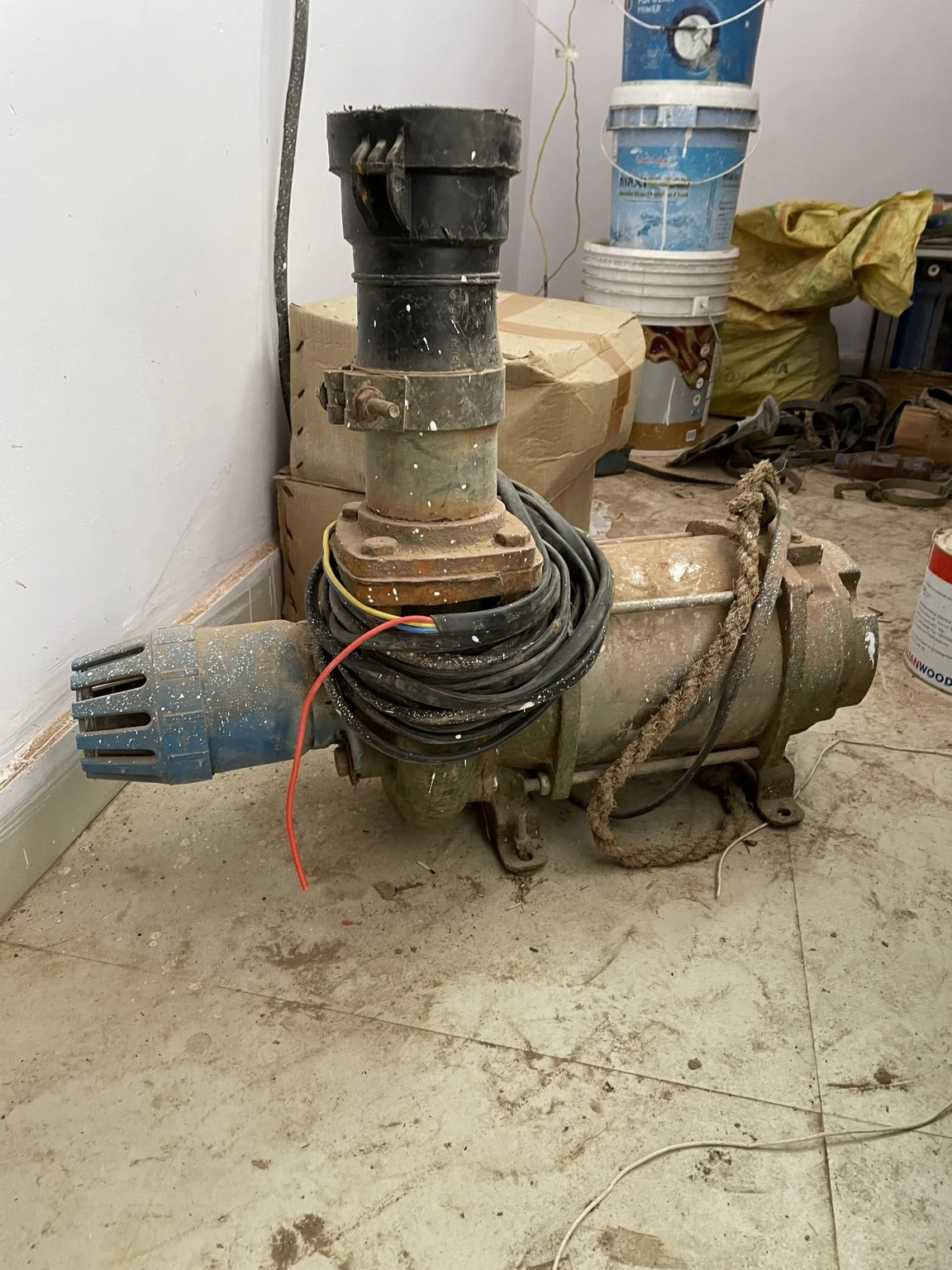
This photograph shows an electric motor coupled to a pump. It gives the irrigation story a tangible starting point. The motor drives the pump, but the field’s water supply depends on much more than the equipment standing on the floor.
Think in systems
Water has to travel from a source to an outlet. The vertical lift, pipe length, friction and required delivery all influence the work a pump must do. FAO’s irrigation-pumping guidance explains the relationship between flow, total head and power. A motor rating alone cannot tell us the volume reaching a particular field. [1]
That is why a pump cannot be selected from a photograph. Source conditions, seasonal water levels, the delivery route and the intended use need to be assessed together. The visible assembly does not establish horsepower, discharge, energy use or suitability for a particular crop.
Pump time is not water depth
A record of hours helps us understand an operation, but turning it into an applied depth requires a measured flow and the area actually irrigated. Leaks, diversions and uneven distribution can change what reaches the crop.
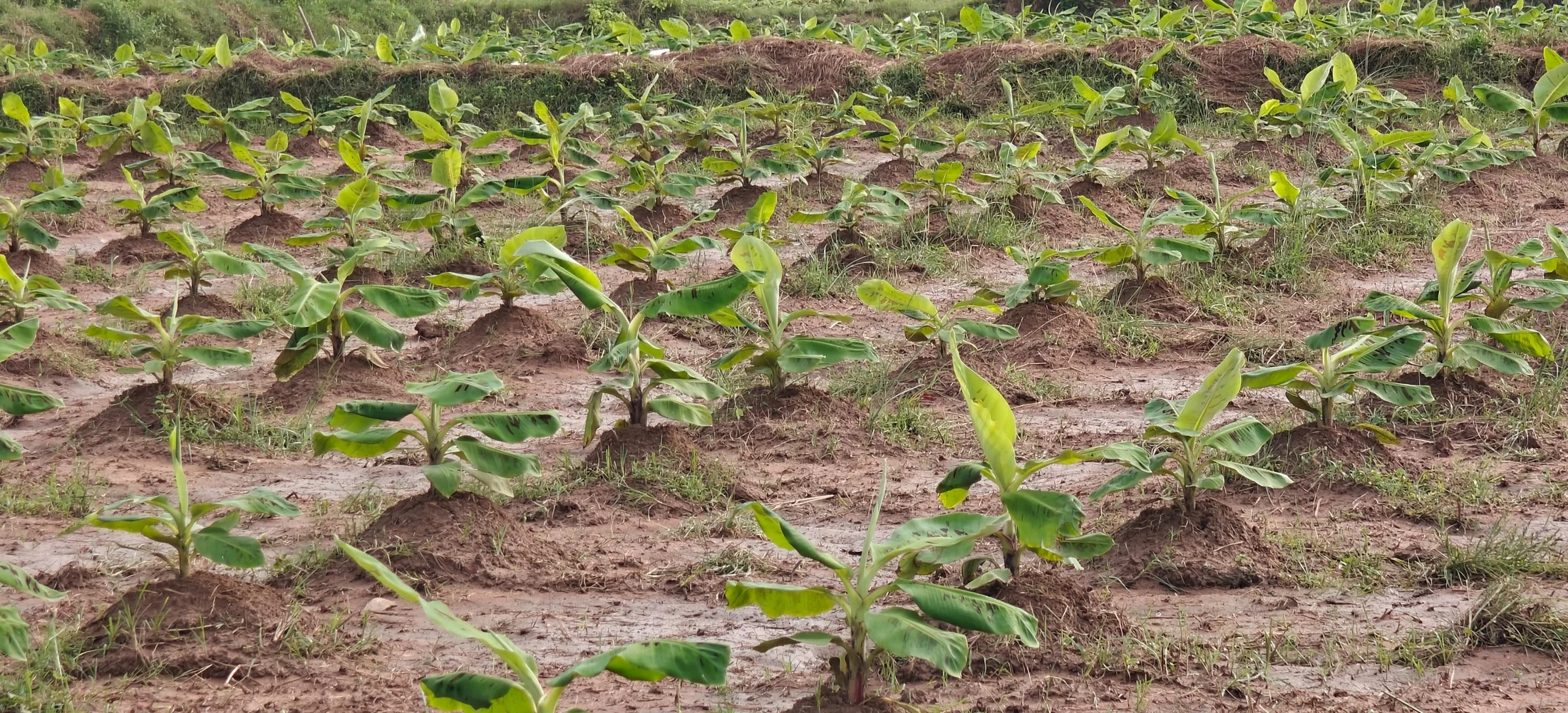
The farm notes also show why irrigation is a field decision. Rain made watering unnecessary at one point in the banana season, while later records describe irrigation continuing. Neither entry supplies a fixed interval for another field.
Follow the water
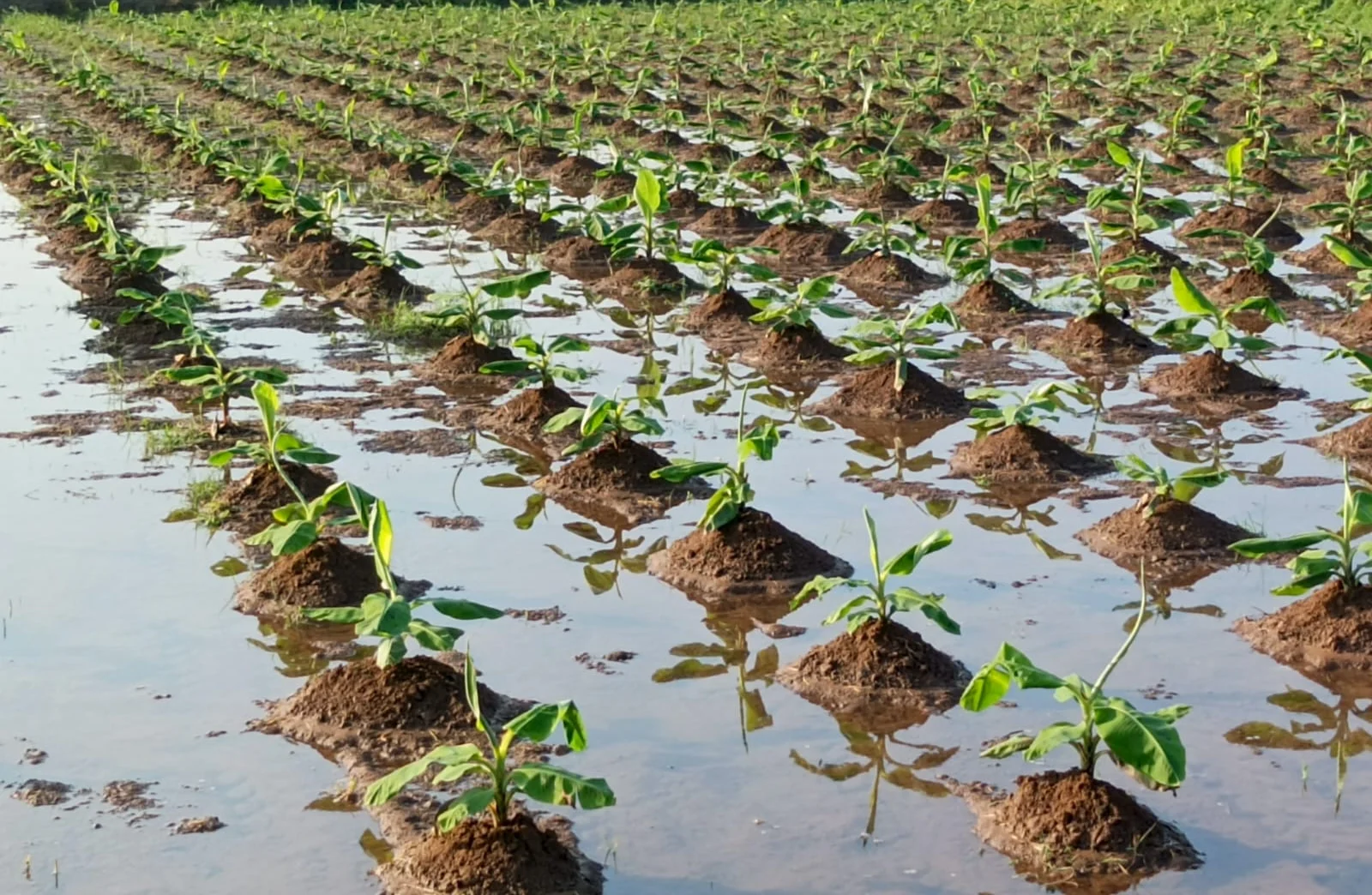
Useful observations include the source, start and stop times, measured delivery where available, distribution and the field’s response. Check the receiving soil and drainage as well as the outlet.
An electric pump belongs in a properly installed and maintained electrical system. Keep clear of exposed wiring and moving couplings; isolate power before inspection or maintenance, using a qualified person where needed. [2]
Sources & further reading
- FAO · Water lifting and pumping principlesAccessed 2026-10-23
- HSE · Working safely with agricultural machineryAccessed 2026-10-23