Separating grain from the crop
Threshing, cleaning and the grain that still needs another look before storage.
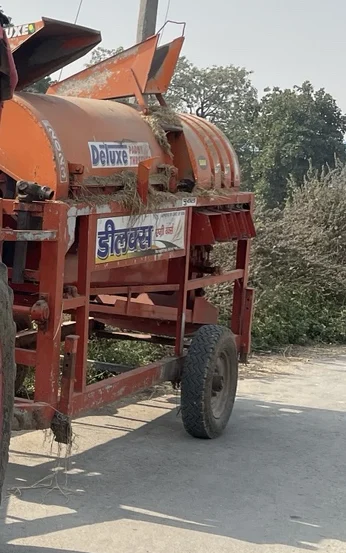
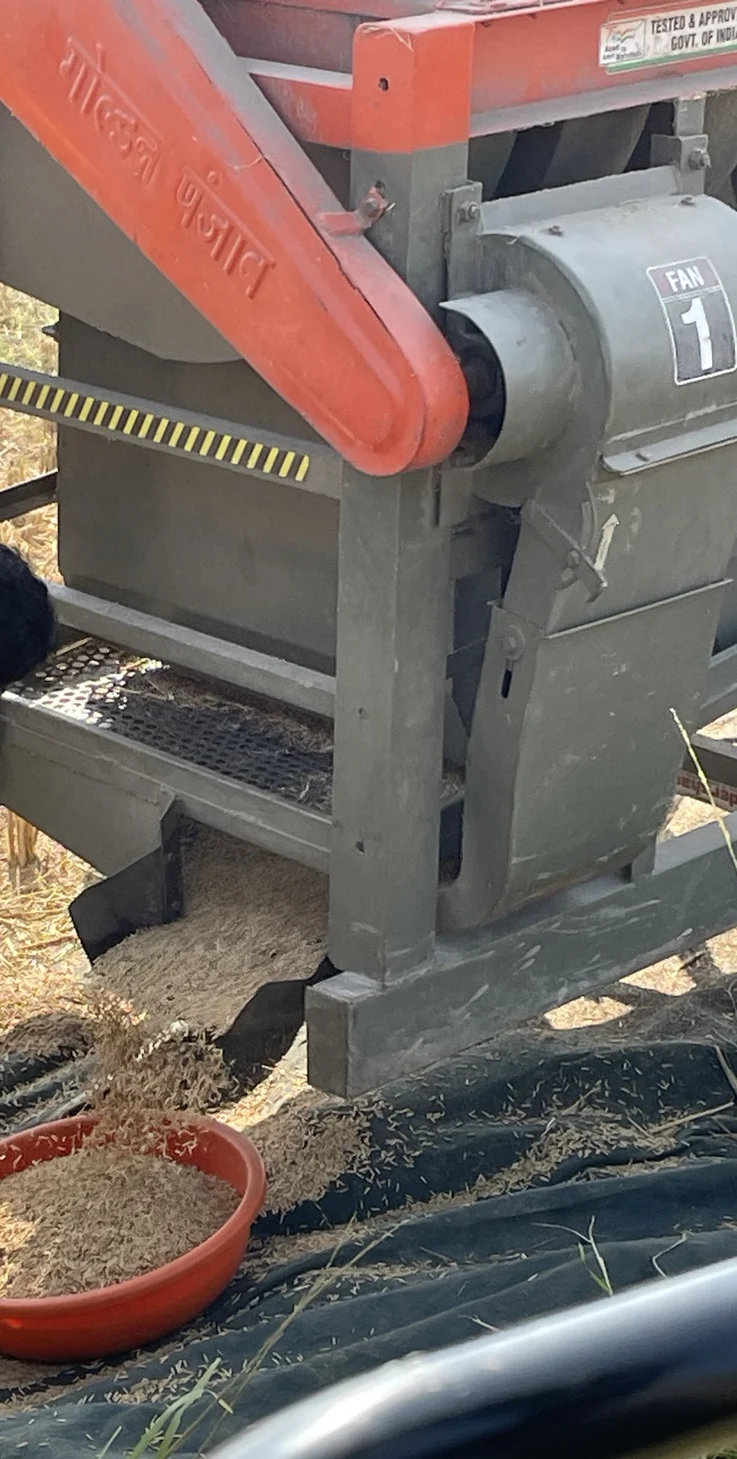
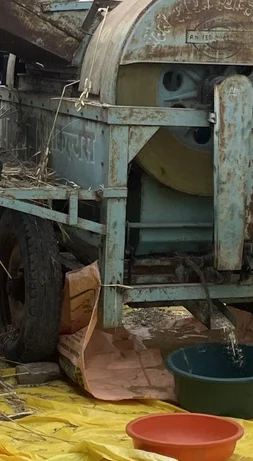
The standing crop and a pile of grain are separated by several kinds of work. In the equipment archive, housings, outlets and collection points show part of that journey. A photograph of the output is not a measurement of cleanliness, moisture or recovery.
Threshing is one stage
Threshing separates grain from the ears or pods that hold it. TNAU’s multi-crop thresher description explains a drum-and-concave mechanism, with sieves and air used to separate lighter material. Machines differ in their design and crop suitability, so settings must come from the relevant manual and a competent operator. [1]
The crop’s condition and the way it is fed into a machine affect the job. Excessive unthreshed material, damaged grain or losses at the outlet are reasons to stop and assess the process. They are not problems to solve by reaching into a running machine.
Follow each lot
Keep varieties and batches identifiable through drying, threshing, cleaning and storage. Weighing at a named stage makes comparisons more meaningful. Our Khapli story distinguishes hulled grain from cleaned grain; those weights describe different material and should not be presented as interchangeable.
The work after the outlet
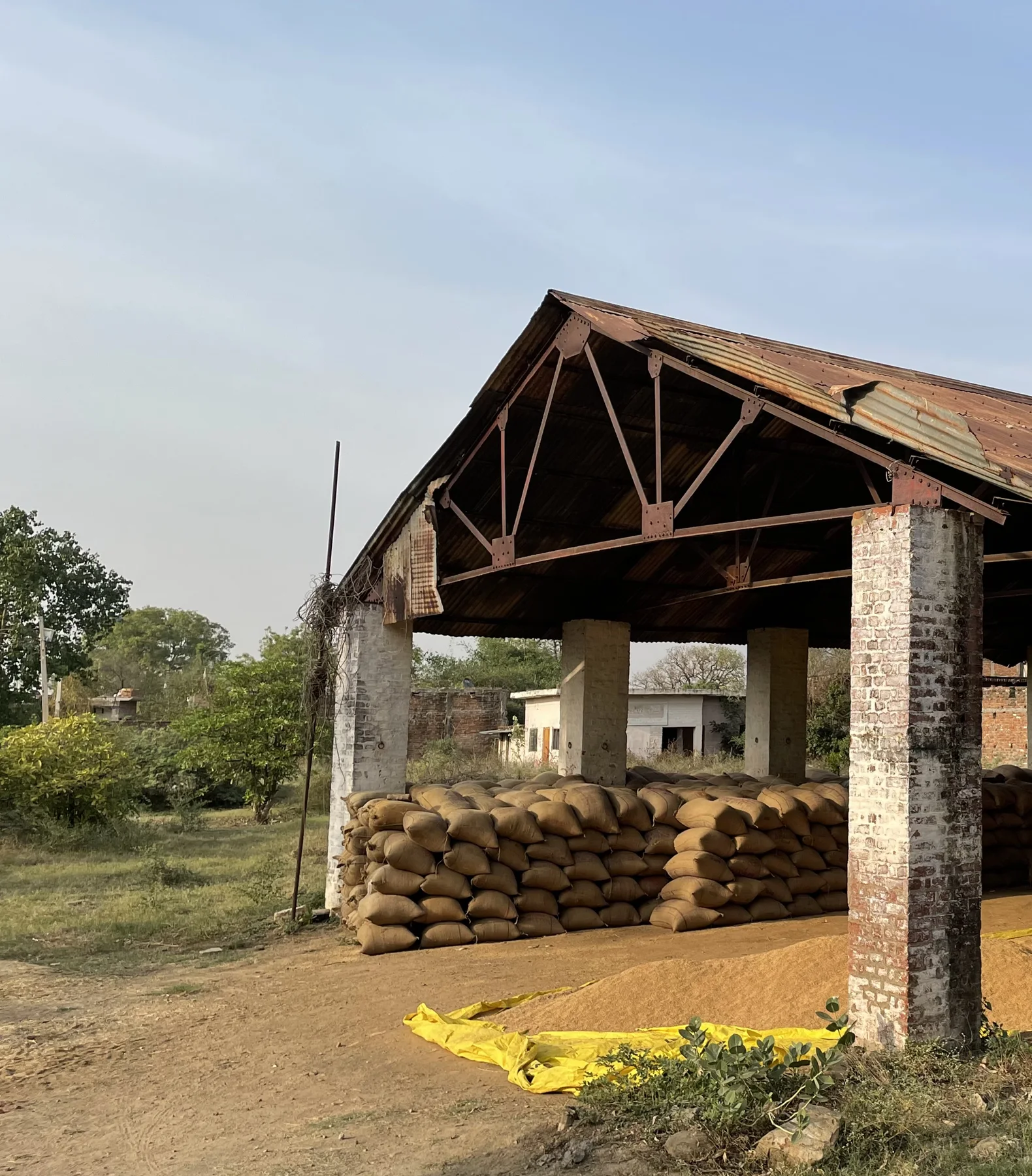
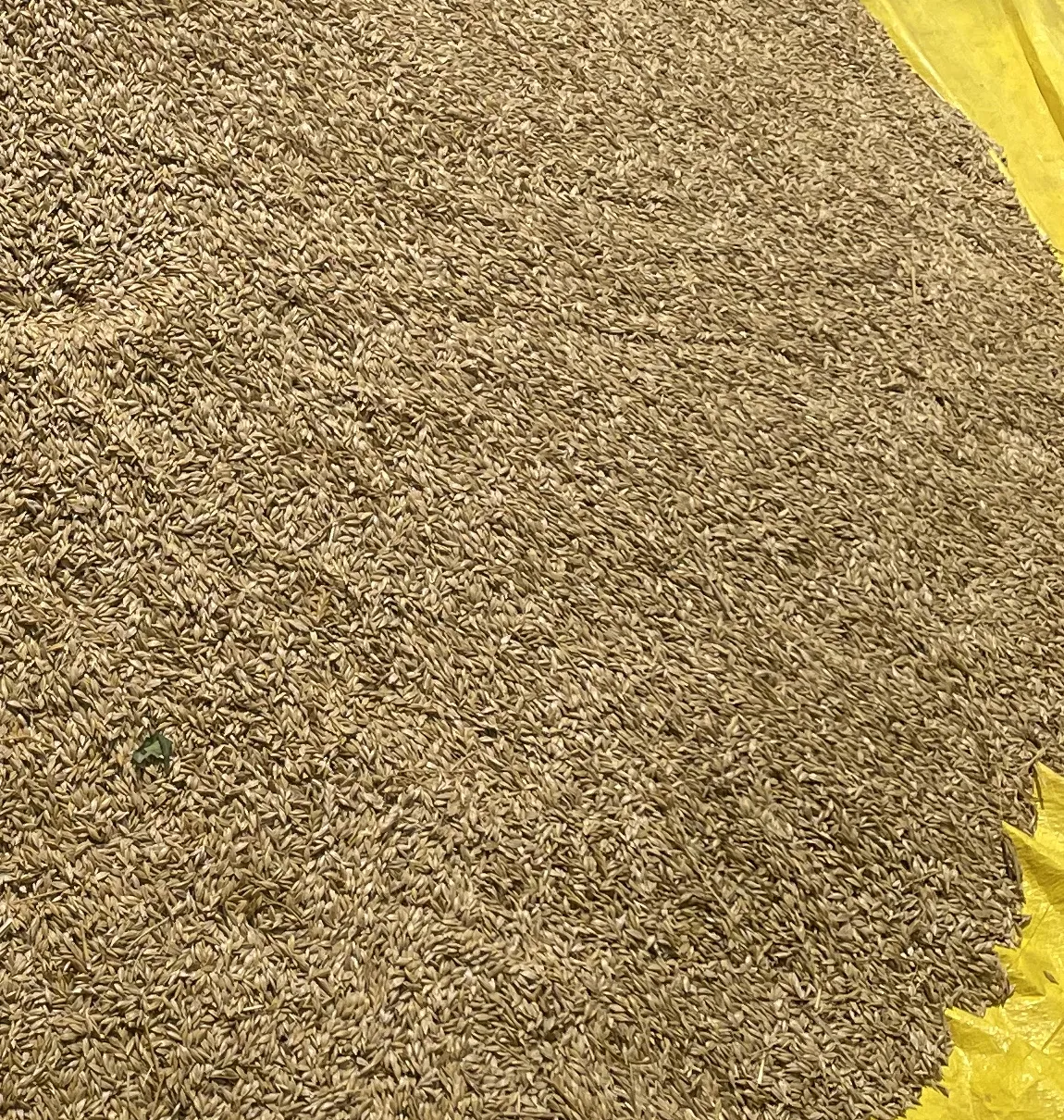
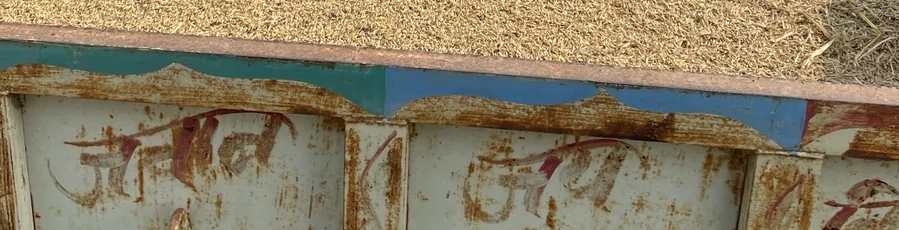
Grain may still need cleaning, moisture assessment and suitable drying before it can be stored. A trailer load can include grain and other material in proportions that a wide photograph cannot measure. The food and harvest guides follow these later steps.
Keep clear of moving parts
Guards, safe feeding arrangements and a clear working area matter. Before clearing, servicing or adjusting, fully isolate the power and wait for motion to stop. Engine shut-down alone may leave stored energy or moving parts; use the machine’s full isolation procedure. [2]
Sources & further reading
- TNAU · Multi-crop thresherAccessed 2026-10-23
- HSE · Working safely with agricultural machineryAccessed 2026-10-23