Khapli wheat has another layer to lose
Dehulling, cleaning and flour milling are different stages—and their weights answer different questions.
In this guide
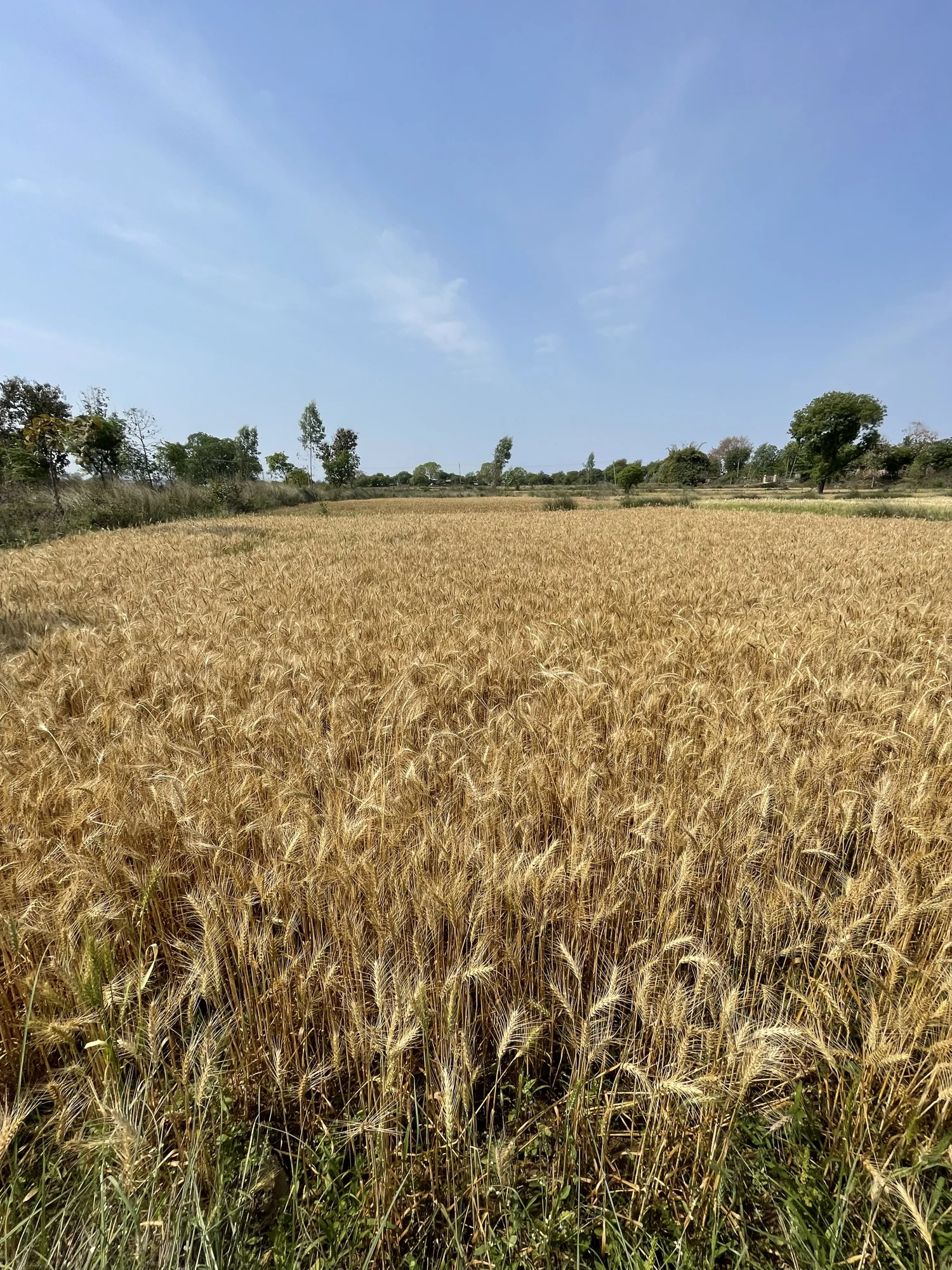
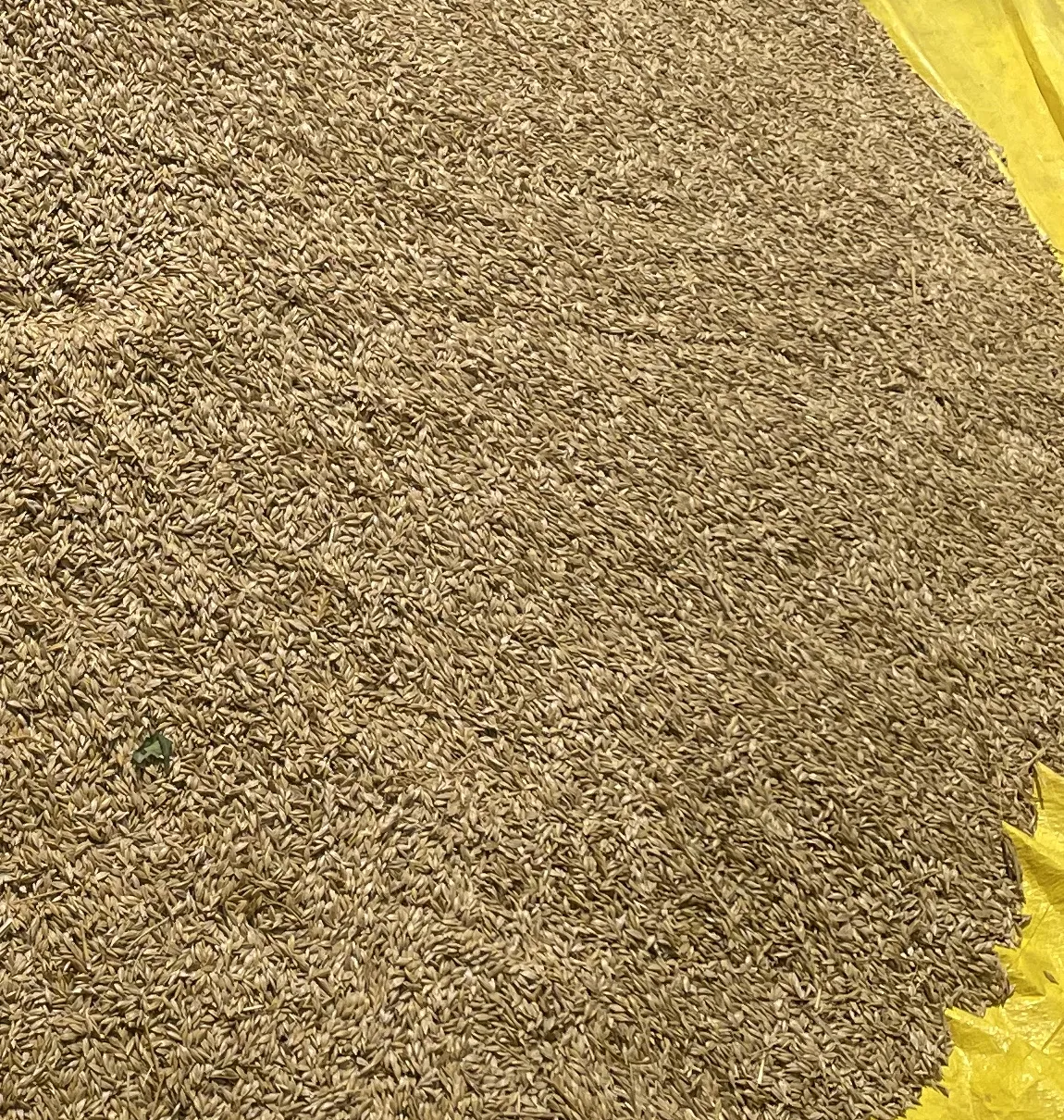
Our Khapli harvest still carried its husk when it was weighed. Between that sack and a sack of flour lay an extra operation: releasing the kernels from their covering. Understanding that step makes both the processing work and the change in weight easier to follow.
Penn State describes emmer as a hulled wheat. The distinction is physical: the harvested material needs dehulling before the clean kernels can follow their next route into food. [1]
ICAR–IARI identifies emmer, or dicoccum wheat, with the name Khapli. This explains the terminology; it does not authenticate a particular farm seed lot. [5]
Hulls and bran are different layers
The hull is an outer covering removed during dehulling. Bran belongs to the edible kernel beneath it. Removing the hull does not, by itself, turn wheat into refined flour.
Research on traditional emmer and einkorn processing distinguishes glume removal from later food preparation. It also reports variation in processing yields. Equipment, the material entering the process and what is counted at the end all matter; an attractive recovery figure from another batch is not a promise for this one. [2]
A useful sequence to ask a processor about is initial cleaning, dehulling, separation of loosened coverings and remaining unhulled material, then a check of the clean kernels. The exact arrangement depends on the equipment. Ask what leaves each stage and whether any material needs another pass.
What the farm's batch tells us
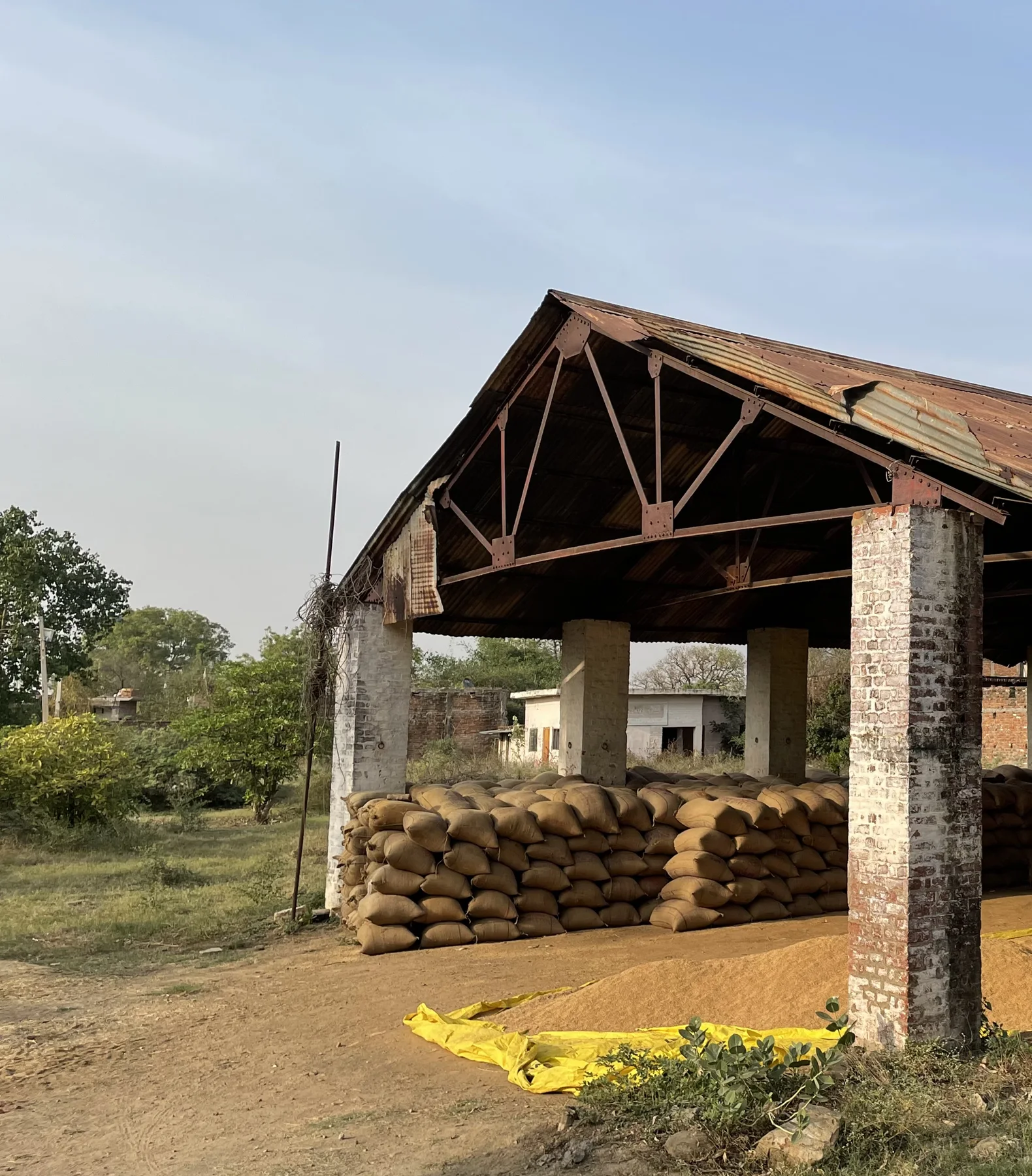
The owner-reported Khapli harvest was 510 kg of hulled material on 18 April. A later processing note, dated 10 June, records a 54 kg hulled batch producing 32.5 kg of clean grain.
That is a clean-grain recovery of about 60.2% for the recorded batch: 32.5 divided by 54. It describes that processing event. It is not the recovery of the entire 510 kg harvest, and it is not a flour yield. Applying it to every remaining sack would turn an observation into an assumption.
A processor comparing those weights needs the same stage names: husk-covered material going in, clean kernels coming out. Flour would be the result of a later operation.
From kernels to flour
A wheat kernel contains bran, germ and endosperm. Whole-grain flour retains these parts in the proportions found in the intact kernel; refining removes portions, including bran and germ. The words “dehulled” and “whole-grain” therefore describe different aspects of processing. [3]
Ask the miller whether the flour will be wholemeal or sifted, whether anything will be blended into it, and how the batch will be identified. If comparing weights, record clean grain entering the flour mill separately from hulled material entering the dehuller. Keep the empty container weight out of both figures.
Questions worth carrying to the mill
- What exactly has been weighed before processing?
- Are unhulled pieces returned for another pass or included in a reject fraction?
- Does the returned weight mean clean grain or finished flour?
- Is bran retained, partly sifted or separated?
- Can the returned bags be linked to the original batch?
Khapli remains wheat and contains gluten. Its age, name or processing route does not make it gluten-free. Health Canada's wheat guidance includes emmer among wheat names and distinguishes wheat allergy from coeliac disease. [4] Understanding the extra layer is a processing lesson, not a health promise.
About this story
Owner-reported Khapli: 510 kg hulled harvest on 18 April; 54 kg hulled batch yielded 32.5 kg clean grain on 10 June. The 60.2% calculation is confined to this batch; it is not whole-harvest or flour recovery.
From the farm’s dated working notes.Sources & further reading
- Penn State · Value Added Small Grains: emmer Accessed 2026-10-23
- University of Bologna repository · Study of glume removal in hulled wheats Accessed 2026-10-23
- Penn State Extension · Whole-grain kernel and refining Accessed 2026-10-23
- Health Canada · Wheat and triticale: food allergens and wheat names Accessed 2026-10-23
- ICAR–IARI · Emmer wheat and the name Khapli Accessed 2026-10-23