When is grain ready to leave the field?
Maturity, moisture and the work after cutting all matter when choosing a harvest window.
In this guide
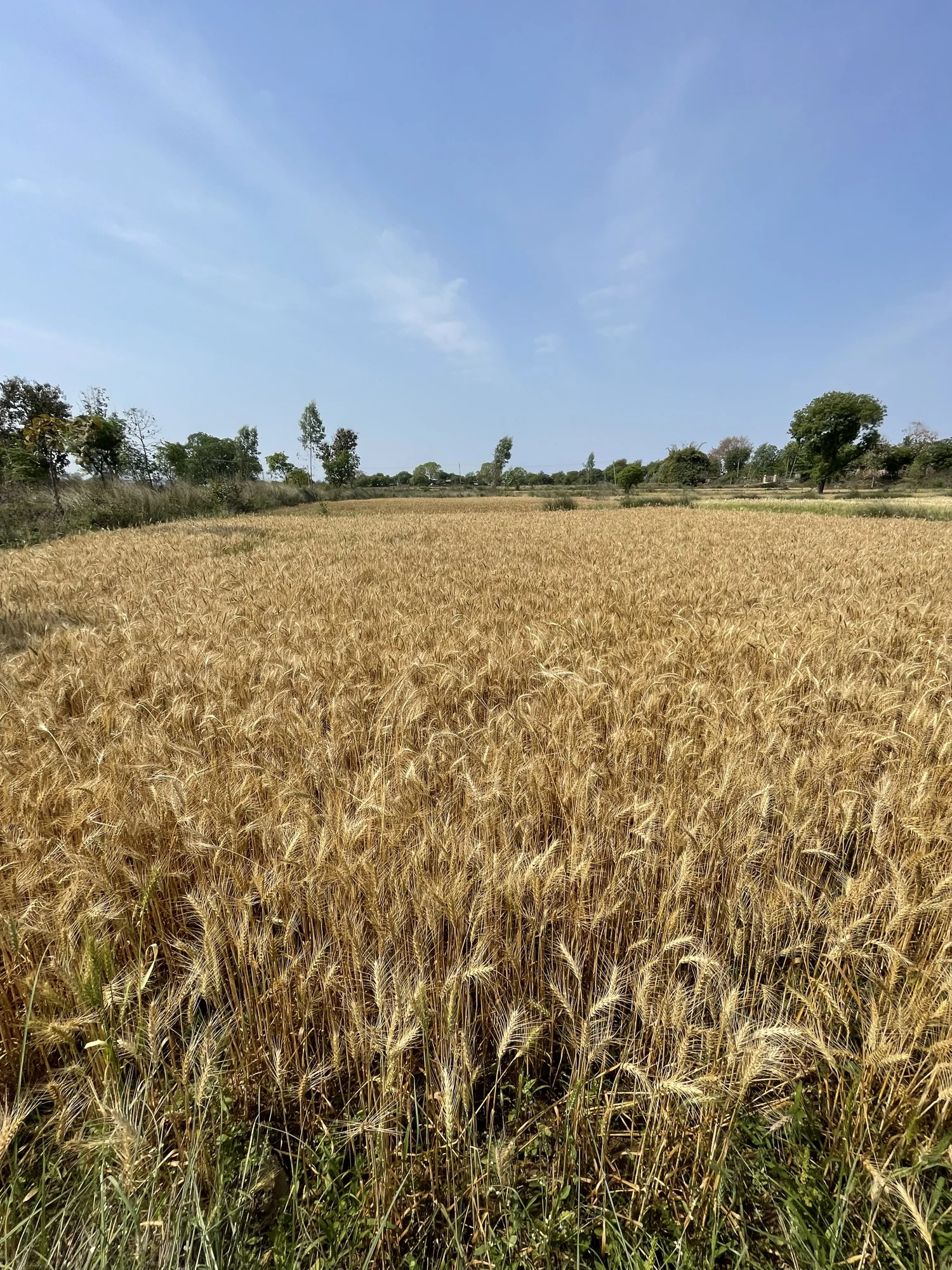
A rice panicle can be straw-coloured while some of its lower grains still need attention. A wheat head may contain hard grain while another part of the field is further behind. The colour seen from the road narrows the question; examining the grain helps answer it.
Harvest timing also depends on what will happen once the crop is cut. A ready field needs a route through transport, threshing and drying.
Maturity is more than colour
IRRI's rice-harvesting manual combines indicators, including the proportion of ripened grains and grain moisture. Early cutting can collect immature grain. Late cutting increases exposure to shattering and other field losses. Between them lies a suitable window for the crop and the method used. [1]
TNAU's harvesting guidance similarly pairs straw-coloured rice panicles with the condition of grains lower in the panicle. For wheat it includes hard grain and yellowing spikelets. Each crop has its own signs; “golden” is too broad a rule to carry the decision alone. [2]
Look across the field
A handful from the most even stretch may be reassuring without being representative. A wet corner, shaded edge or later patch may have developed differently. Comparing them shows whether the decision concerns one fairly uniform lot or several areas that may need different handling.
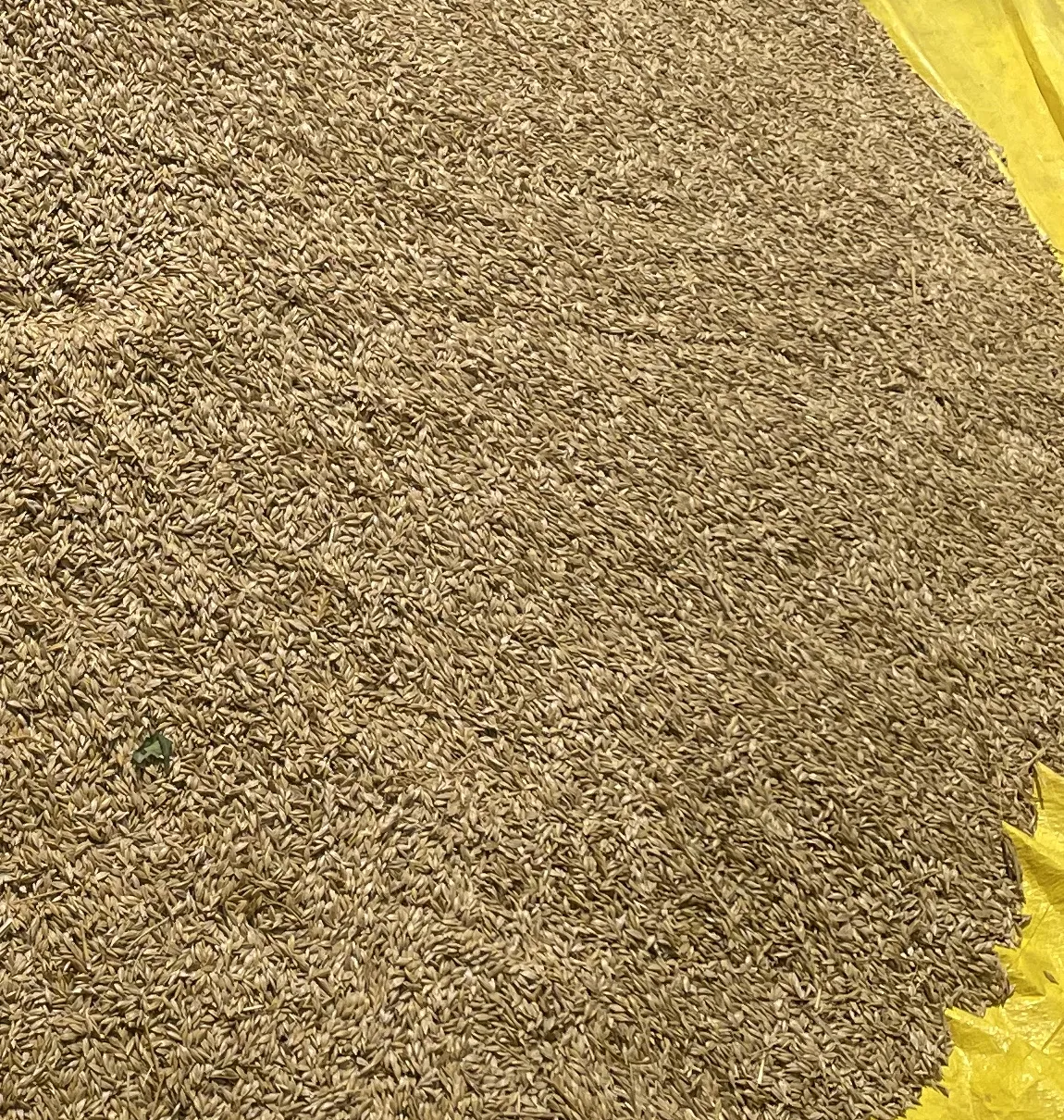
Within a rice panicle, the upper and lower grains can also differ. Examine several heads or pods in several places. A local adviser or experienced operator can relate what they find to the harvest method and suitable moisture. A photograph can show grain condition and colour; it cannot supply a moisture reading.
This wider assessment is especially useful when cutting will take more than one day. The question is which part is ready to begin and how the later work will cope, rather than whether every plant has reached precisely the same point.
Ready to cut is not ready to store
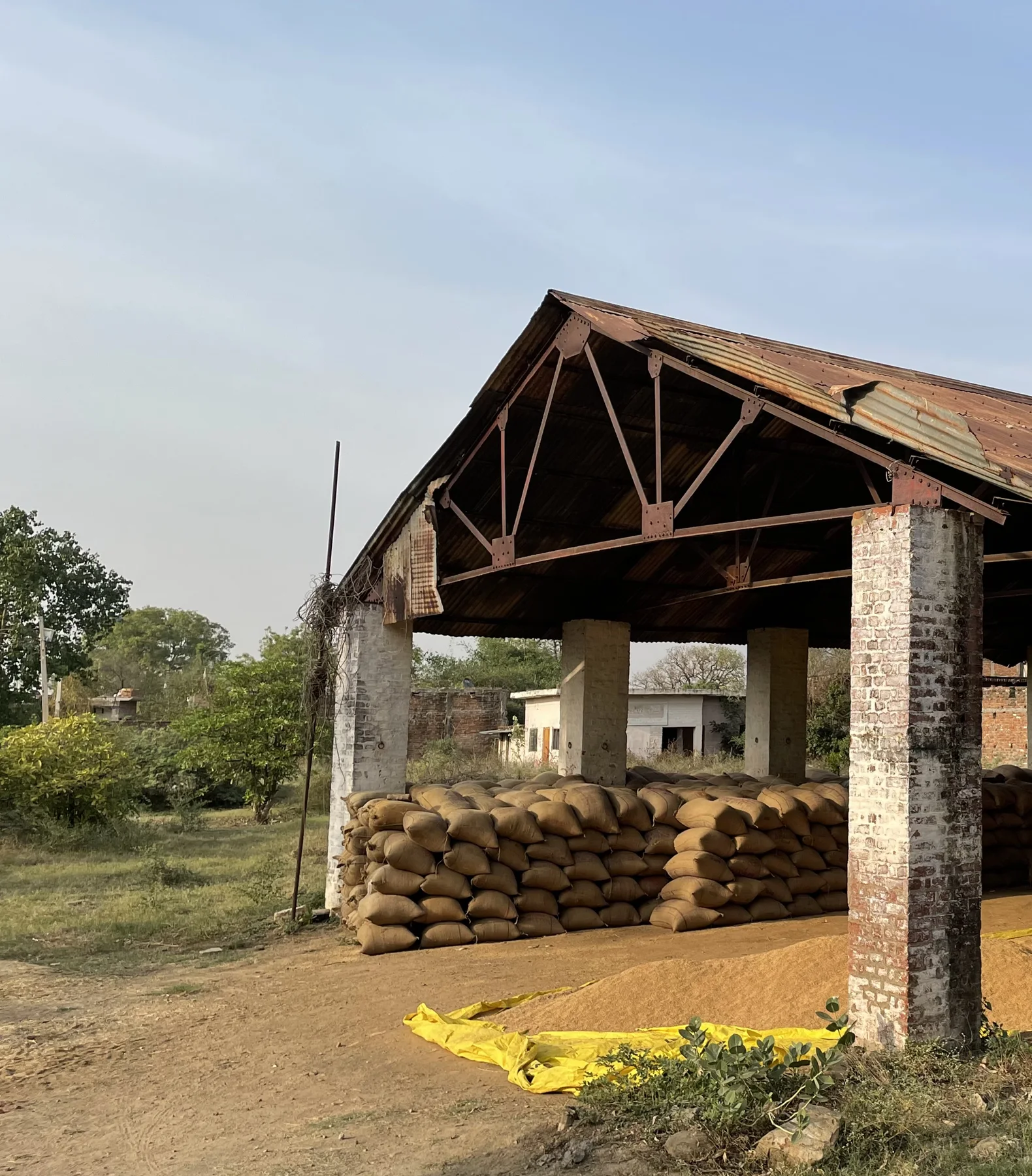
Harvest moisture and storage moisture serve different purposes. Grain can be ready to leave the field while still requiring drying before storage. The drying space, equipment and handling capacity therefore belong in the decision before cutting starts.
PHilMech's rice guidance stresses prompt drying and the problems caused by incomplete or uneven drying. Excessive drying temperature can also fissure grain and reduce the proportion of whole kernels after milling. Speed and care have to work together. [3]
Arrange a clean receiving area, protection from rain and someone able to assess the lot's condition. Transport that brings grain in faster than it can be handled simply moves the waiting crop from the field to another place.
Before cutting begins
- Identify the crop, variety or working name and area assessed.
- Compare several representative heads or pods, including later patches.
- Match crop condition to the intended harvest equipment and local advice.
- Confirm access, forecast, transport, threshing and drying arrangements.
- Keep differently harvested lots identifiable as they move through the work.
Give the first weight a stage
A harvest weight may include moisture and material later removed. Cleaning takes out other material; drying takes out water. A smaller weight afterwards does not automatically mean that the same amount of grain has been lost.
Naming the stage—cut plants, threshed paddy or cleaned grain—keeps the comparison meaningful. It connects the decision made in the standing crop with what eventually reaches the store.
About this story
This guide draws on the sources below. It is not a report of a completed farm trial.
Sources & further reading
- IRRI · Harvesting training manual Accessed 2026-10-23
- TNAU · Crop harvesting criteria Accessed 2026-10-23
- PHilMech · Grain drying Accessed 2026-10-23